

Even the most talented artists encounter the dreaded creative block in Charlotte’s vibrant creative scene. Charlotte is Creative, a champion of local artists, understands this struggle and offers resources to navigate it. Together, we can explore practical strategies to break through these barriers, sign our way past creative block, and reignite our creativity as artists in this world. From simple exercises to mindset shifts, there are countless ways for an artist to refresh their thinking and find inspiration, especially when facing a creative block as a person seeking a sign. Let’s dive into these techniques that can help us, as individuals and artists, reclaim our creative spark and keep the ideas rolling.
Understanding Creative Blocks
Definition
We often face creative blocks in our artistic journeys. A creative block can be defined as a period where an artist struggles to generate new ideas or express their creativity. It may manifest as a lack of inspiration, difficulty in starting projects, or feeling overwhelmed by our own expectations. These blocks can appear suddenly, like art, leaving us frustrated and stuck.
Psychological Impact
The emotional toll of a creative block in art can be significant. We might feel anxious or even depressed when our art ideas seem to dry up. This pressure can lead to self-doubt, making us question our abilities, art, and goals. The fear of not meeting our own standards can intensify these feelings of art. Many times, it feels like an invisible barrier, like art, that holds us back from achieving our potential.
Common Experience
Creative blocks are not unique to any one person. They are a common experience among artists and creatives alike. We share stories about how we have faced similar struggles in art. Whether we are writers, painters, musicians, or designers, many of us encounter these idea blocks at some point. Recognizing that others also deal with artist block helps us feel less isolated in our experiences.
Triggers
Various factors can trigger these creative work blocks. Stressful life events, such as moving or changing jobs, can disrupt our focus. High expectations from ourselves or others can create pressure that stifles creativity. Even mundane routines can contribute to feeling stuck in a creative rut.
Overcoming Blocks
To overcome these barriers, we need to take intentional steps. Engaging in different activities can help refresh our minds. For instance, taking a walk in nature or trying out new hobbies allows us to gain fresh perspectives. Collaborating with fellow creatives often sparks new ideas and helps break down the walls we face.
 Causes of Creative Blocks
Stress Factors
We often face stress in our daily lives. This stress can lead to a creative slump. When we feel overwhelmed, our minds can freeze. The pressure to perform can create anxiety. This anxiety makes it hard to think clearly. We might find ourselves staring at a blank page, unable to write or create anything new.
Fear of Failure
Another common cause is fear of failure. We worry about what others think, which can stop us from trying new ideas and create a heavy mental block. When we let this fear control us, we struggle to express our thoughts, and we may also avoid taking risks in our creative work.
Perfectionism
Perfectionism plays a big role too. We want everything to be just right. This desire for perfection can slow us down. Instead of creating freely, we overthink every detail. We might spend hours on one small part of our project. This leads to frustration and ultimately, a halt in creativity.
External Factors
Our environment also impacts creativity. A cluttered workspace can easily distract us, and noise and interruptions can break our focus. Deadlines add another layer of stress. When we rush to meet deadlines, we sacrifice quality for speed, often resulting in a lack of originality in our work.
Self-Doubt
Self-doubt is an internal factor we all experience at times. It makes us question our abilities. This doubt affects our confidence and willingness to create. We might compare ourselves to others and feel inadequate. These feelings can block our creative flow and limit what we produce.
Lack of Motivation
Lack of motivation is another hurdle we face together. Sometimes, we just don’t feel inspired. A dull routine can sap our energy and enthusiasm for creating. We may need fresh ideas or experiences to reignite our passion for our projects.
Collaborative Solutions
To overcome these blocks, collaboration helps immensely. Sharing ideas with friends can spark new thoughts. Engaging in discussions allows us to see things differently. Together, we can support each other through tough times.
Write Down All Your Ideas
 Habitual Writing
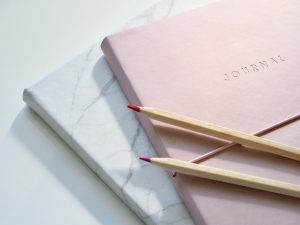
We often face creative blocks that stop our flow of ideas. One way to overcome this is through habitual writing. Regularly putting pen to paper helps us develop our creativity. It allows us to explore new ideas and think freely without judgment. Each time we write, we train our minds to generate more thoughts. This practice can lead to unexpected breakthroughs in our projects.
Accepting Imperfections
Starting with rough drafts is essential for us as writers. We must accept that not every idea will be perfect at first. Great writers like Ernest Hemingway emphasized the importance of rewriting. He once said, “The first draft of anything is shit.” This honesty encourages us to embrace our initial thoughts, no matter how messy they may seem. We can refine our work later, but we need those real writing moments to build upon.
Small Ideas Matter
Writing down even the smallest ideas can be quite beneficial. Sometimes a fleeting thought can spark a larger concept later on. We should keep a list of these ideas, no matter how trivial they may seem at the moment. A simple note can evolve into an entire story or project.
Capture thoughts quickly: Jot down ideas whenever they come.
Review regularly: Look back at your notes to find inspiration.
Develop further: Expand on small ideas when you have time.
By keeping track of our thoughts, we create a valuable resource for future writing sessions.
Drafts and Descriptions
Our drafts don’t need to be polished pieces of work right away. They serve as stepping stones towards our final product. Descriptions in early drafts might feel rough, but they hold potential. By focusing on getting our thoughts out, we allow ourselves to explore different angles and styles.
The Power of Handwriting
Using our hands to write can also enhance creativity. Studies show that handwriting stimulates different parts of the brain compared to typing. This physical connection can help us think deeper about our ideas. When we write by hand, we feel more connected to our thoughts.
Step Away for a Break
Incubation Stage
We often find ourselves stuck in our thoughts. Graham Wallas outlined four stages of the creative process: preparation, incubation, illumination, and verification. The incubation stage is crucial. During this time, we step away from our work. We let our minds wander. This break allows ideas to simmer beneath the surface. Great ideas often emerge when we least expect them.
Taking a break helps us recharge. It allows our brains to make connections that we might miss while actively working on a task. For example, after walking around the block or taking a short nap, new perspectives can arise. Our creativity flourishes when we give it space to breathe.
Importance of Breaks
Breaks are not just about rest; they are essential for creativity. When we take time away from our tasks, we allow ourselves to relax. This relaxation is key for incubation. Ideas need time to develop and grow in our minds.
Research shows that stepping away can boost productivity and creativity significantly. For instance, many people report having their best ideas during walks or while cooking recipes in the kitchen. These moments of distraction can lead to breakthroughs in our projects.
Role of Sleep
Adequate sleep plays an important role in our creative process. Sleep helps us process information from the day. It strengthens memory and enhances problem-solving skills. A well-rested brain performs better than one that is tired.
When we sleep, our brains organize thoughts and experiences from the day. This organization helps clarify our ideas and leads to more innovative solutions. Many artists and writers emphasize the importance of sleep for their work. They recognize that great ideas often come after a good night’s rest.
Practical Tips
Schedule regular breaks during our work sessions.
Try different activities during breaks, like walking or meditating.
Prioritize getting enough sleep each night.
Create a relaxing bedtime routine to improve sleep quality.
These simple steps can help us overcome creative blocks effectively. Each time we feel stuck, remembering to step away can make a significant difference.
Move Your Body for Creativity
 Historical Link
We often forget the historical connection between movement and creativity. Great thinkers like Aristotle believed walking sparked inspiration. Many artists, writers, and inventors took long walks to clear their minds. They found that creative flow increased while moving. This tradition continues today.
Studies show that walking can boost our creative output by up to 60%. A 2014 study from Stanford University highlights this fact. Participants who walked produced more creative ideas than those who sat. The act of walking helps us think differently. It encourages new connections between ideas.
Physical Activities
Incorporating physical activities into our routine can help overcome creative blocks. Simple actions like yoga or short walks can refresh our minds. We can stretch our bodies and release tension through these activities. This helps us open up to new creative concepts.
Regular movement enhances our overall well-being. It reduces stress and anxiety, allowing for clearer thinking. When we feel good physically, our creative juices flow more freely.
Creative Routine
Establishing a creative routine that includes movement is beneficial. We can set aside specific times for activities like jogging or dancing. These moments allow us to step away from our desks and engage with our surroundings.
Engaging in group activities with creative friends can amplify these benefits. We can brainstorm ideas while hiking or cycling together. The shared experience sparks new thoughts and perspectives.
Mindful Movement
Mindful movement plays a crucial role in enhancing creativity. Focusing on our breath during yoga helps ground us. This practice allows us to center our thoughts and improve focus. It encourages the mind to wander, leading to unexpected insights.
We should also consider taking breaks throughout the day. Stepping outside for fresh air can clear our minds. Short walks during lunch breaks or after meetings can make a difference. These moments help reset our brains and boost productivity.
Creative Sparks
By moving our bodies, we ignite creative sparks within ourselves. Whether it’s through dance, sports, or just a brisk walk, movement fuels imagination. Each step we take opens us up to new possibilities and ideas.
When we embrace physical activity as part of our creative process, we unlock greater potential. Our collective experiences as a group lead to richer discussions and innovative solutions.
Change Your Scenery for Inspiration
New Places
We often find that changing our scenery helps us break through creative blocks. A simple trip to a new location can spark fresh ideas. Whether we visit a park or head to a different city, the change in environment can be powerful.
Exploring new places allows us to see things from different angles. We notice colors, sounds, and smells we usually overlook. This sensory overload can lead to unexpected inspiration. For instance, visiting a bustling market can ignite our creativity. The vibrant interactions and unique products inspire us to think differently.
Cultural Experiences
Experiencing different cultures expands our horizons. Traveling exposes us to new traditions, art forms, and ways of thinking. Each culture has its own story and perspective, which can influence our work.
We remember a trip where we attended a local festival. The music and dance opened our minds to new artistic expressions. It reminded us that creativity is not limited to one style or form. Engaging with diverse cultures encourages us to blend ideas and innovate.
Small Changes
Not all changes need to be grand. Sometimes, small adjustments in our workspace can create a big impact. Rearranging furniture or adding plants can refresh our environment. These minor tweaks help us feel renewed and focused.
Visiting a new café can also be beneficial. The different atmosphere can stimulate our thoughts. We might find that the buzz of conversation or the aroma of coffee inspires us to write or create more freely.
Even changing our view from a window can alter our mindset. Watching people pass by or observing nature can lead to creative breakthroughs.
Group Activities
We should not underestimate the power of collaboration with friends. Working together in a new space can bring out the best ideas. Sharing thoughts over coffee in an unfamiliar café might reveal insights we hadn’t considered before.
Engaging in group activities like brainstorming sessions outdoors can shift our perspectives too. Fresh air and sunlight boost our mood, making it easier to generate ideas.
Keep a Notebook Handy
 Importance of Notebooks
We often need a reliable outlet for our thoughts. A notebook serves as that perfect tool. It captures our random observations and ideas, no matter how fleeting they might be. When we take the time to jot down our thoughts, we create a valuable resource that can spark creativity later on.
Notebooks also hold significance during tough times. They become our safe space to explore feelings and ideas without judgment. We can look back at these notes for inspiration when we face creative blocks. The act of writing helps us process our thoughts and emotions.
Daily Routine
Incorporating a notebook into our daily routine is essential. We should make it a habit to carry one with us wherever we go. Whether it’s during our commute or while enjoying coffee, we can fill those pages with insights. Writing becomes a part of our day, much like brushing our teeth.
We can also dedicate specific times for reflection and writing. Setting aside moments each day allows us to engage with our thoughts more deeply. This practice helps us stay connected to our creative selves.
Capturing Inspiration
Writing down quotes and interesting facts is another great method. These snippets of knowledge can inspire us later on. Famous authors like Joan Didion emphasized the importance of keeping a notebook. She believed that preparation is key to creativity.
When we write down what resonates with us, we build a personal library of inspiration. These notes remind us of the world’s beauty and complexity. They serve as prompts when we feel stuck.
Personal Reflections
Personal reflections are equally important. We should take the time to write about our experiences and feelings regularly. This practice creates a dialogue between ourselves and our thoughts, allowing us to better understand our motivations.
By documenting our journeys, we create a record of growth and change. Looking back at these reflections can provide clarity during challenging times. They remind us of how far we’ve come and what we’ve learned.
Creating Our Workspace
Our workspace plays a crucial role in this process too. A clutter-free environment can enhance creativity. We should keep our notebooks within reach in this space, making them easily accessible.
As writers and creators, having tools at hand makes all the difference. With our notebooks ready, we can capture ideas as they strike us, turning them into something meaningful.
Additional Strategies to Overcome Blocks
Mindfulness Practice
We often encounter work blocks that stall our creativity. Practicing mindfulness or meditation can help us clear mental clutter. Taking just a few minutes each day to focus on our breath can shift our mindset. This simple act allows us to reset and regain focus. Studies show that even short sessions of mindfulness can enhance creativity. By being present, we open ourselves up to new ideas.
Setting aside time for mindfulness can become part of our routine. We can create a calm space where distractions are minimal. This practice not only helps with creative flow but also reduces stress. When we feel less overwhelmed, it’s easier to tackle challenges.
 Collaboration Benefits
Collaborating with others is another effective way to overcome blocks. Working together brings fresh insights and perspectives. We might find that sharing our thoughts opens doors we never considered. Engaging in discussions with friends or colleagues can spark new ideas.
When we brainstorm as a group, the energy shifts. Each person contributes unique experiences and viewpoints, enriching our creative process. For example, one friend’s suggestion might lead us down a path we hadn’t considered before.
We should seek out opportunities to collaborate regularly. Joining workshops or creative groups can connect us with like-minded individuals. These interactions provide valuable feedback and encouragement. They remind us that we’re not alone in facing creative hurdles.
Setting Achievable Goals
Setting small, achievable goals helps build momentum during periods of stagnation. Large projects often overwhelm us, leading to work blocks. Breaking tasks into smaller steps makes them manageable.
For instance, if we aim to write an article, we can start with just one paragraph daily. Completing this small goal brings a sense of accomplishment. This confidence boosts our motivation to continue working.
Tracking our progress is essential too. We could use a simple checklist to see what we’ve achieved daily. Celebrating these small wins reinforces our commitment to the task at hand. With each completed step, we gain confidence and clarity.
Exploring New Resources
Exploration plays a key role in overcoming blocks as well. We can look for resources that inspire us—books, podcasts, or art exhibits may ignite our creativity anew. Learning from others fuels our own creative journey.
Incorporating these strategies into our daily lives can transform how we approach creative work. Mindfulness clears our minds, collaboration opens new paths, and setting small goals builds confidence.
Closing Thoughts
Creative blocks can hit us hard, but we have the tools to tackle them. From jotting down our ideas to changing our scenery, we’ve explored practical strategies to reignite our creativity. Each method helps break down barriers, allowing fresh ideas to flow and inspiration to flourish.
Let’s not forget that overcoming these blocks is a journey we share. We encourage each other to experiment and find what works best for us.
So, let’s grab our notebooks and get moving!
Together, we can conquer those creative hurdles and unleash our full potential.
Ready to dive in? Let’s do this!